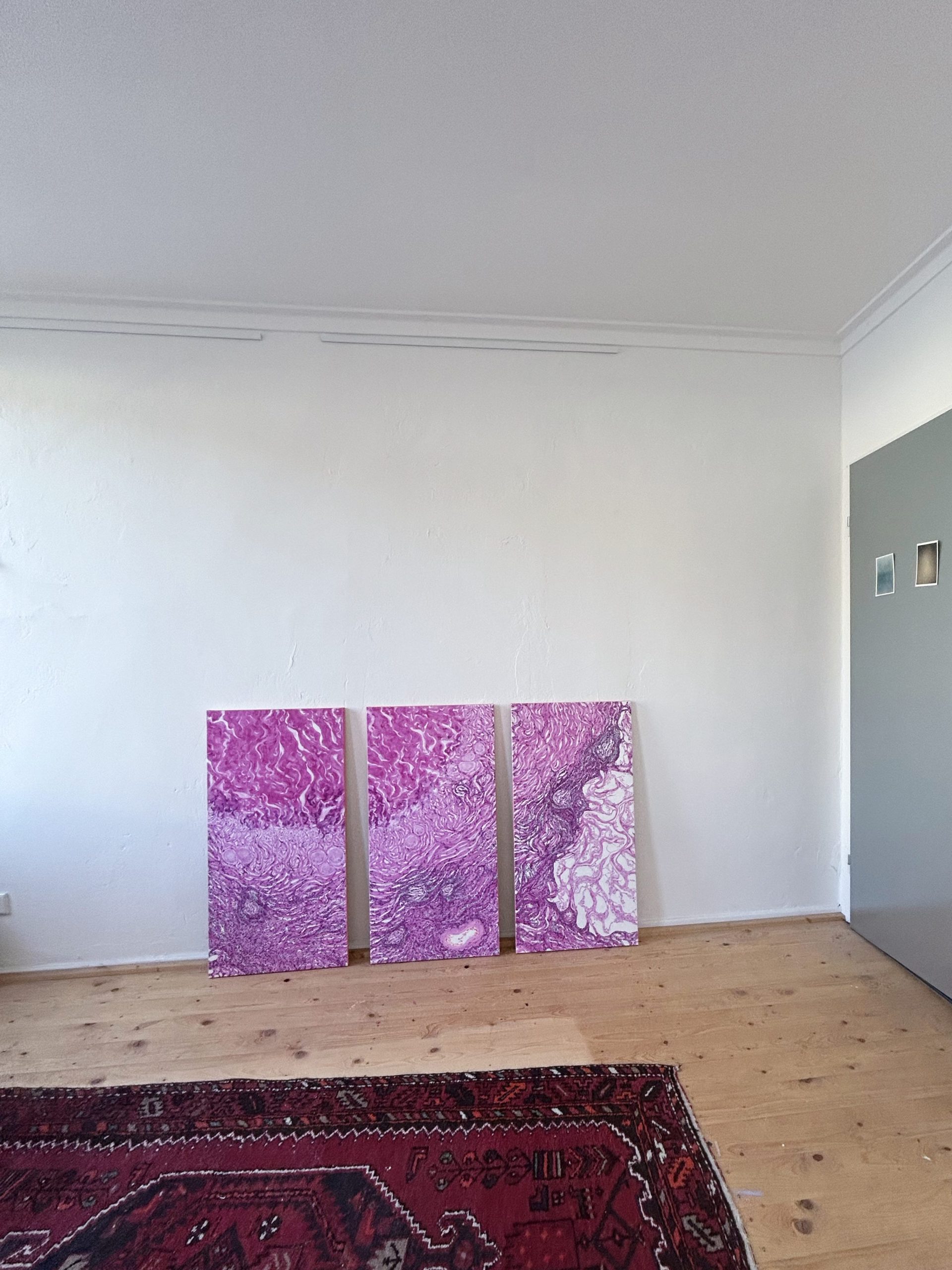
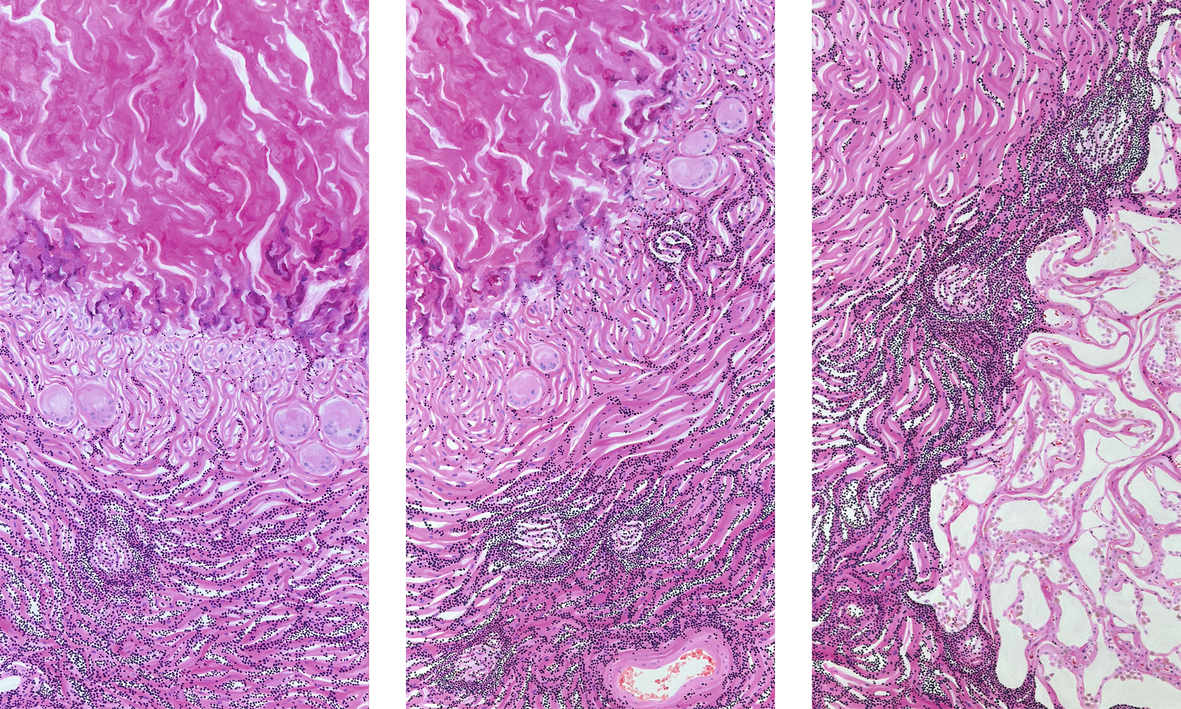
Consumption
Exhibition for Szeniale 2026
26.9.26, Gelsenkirchen-Ückendorf
What is Tuberculosis?
If the number of victims which a disease claims is the measure of its significance, then all diseases, particularly the most dreaded infectious diseases, such as bubonic plague, Asiatic cholera, etc., must rank far behind tuberculosis.
Robert Koch, The Aetiology of Tuberculosis, 1882
Tuberculosis is an ancient disease. Its cause remained unknown until March 1882, when Robert Koch identified the bacterium responsible for the disease, now known as Mycobacterium tuberculosis. Tuberculosis most commonly affects the lungs, but it can manifest in almost any part of the body.
Compared with many other bacterial pathogens, the bacterium grows and divides slowly. It also differs in its structure, possessing a dense, waxy cell wall. These characteristics make it difficult to grow in culture, a process used to detect and identify pathogens, and to identify the bacterium itself. All of these factors contributed to its late discovery.
Today, less than 150 years after its discovery, tuberculosis has been largely pushed out of sight in the Western world and has almost faded from public memory. Yet an estimated one in four people worldwide carries the bacterium. In these individuals, the immune system manages to contain the bacterium in the lungs. The infected person experiences no symptoms and is not contagious. The bacterium remains in a kind of “dormant” state. For around 90% of infected individuals, this remains the case for their entire lives.
If the immune system becomes weakened, for example due to age, stress or another illness, the bacterium can reactivate. Only then does the infected person develop active tuberculosis.
The History of Tuberculosis
One thinks that a foolish person ought to be healthy and ordinary, and that illness ought to make a person refined, intelligent, and exceptional.
Thomas Mann, The Magic Mountain (Der Zauberberg)
The cause of tuberculosis remained unclear for a long time. Physicians attributed it to almost anything, from exposure to cold or excessive heat to too much or too little fluid, food, or physical activity.
During the nineteenth and early twentieth centuries, tuberculosis developed into a true cultural phenomenon. No other disease shaped European literature, opera, and art as profoundly. A certain myth surrounded those afflicted, and the disease became associated with artistic talent.
Not only writers such as Franz Kafka, who himself died of the disease, but also composers drew inspiration from this “scourge of the young.” Dumas’ La Dame aux camélias was adapted by Verdi into La Traviata, in which Violetta literally “withers away.” Puccini’s La Bohème also plays on the image of Mimì, who is both ill and captivating.
Given how widespread tuberculosis was before the bacterium responsible for it was identified in 1882 and effective antibiotic treatment became available in the mid-twentieth century, it is hardly surprising that the disease affected not only ordinary people but also celebrated artists and rulers.
Tuberculosis Today
Tuberculosis (TB) is a preventable and usually curable disease.
WHO, Global tuberculosis report 2025
Tuberculosis is one of the ten leading causes of death worldwide and the leading cause of death from a single infectious agent. In 2024, an estimated 10.7 million people developed tuberculosis worldwide, and approximately 1.23 million died from the disease. The highest numbers of new tuberculosis cases were reported in India, Indonesia, the Philippines, China, Pakistan, Nigeria, the Democratic Republic of the Congo, and Bangladesh. India accounted for around 28% of all tuberculosis deaths among HIV-negative people in 2024, while the WHO African and South-East Asia regions combined accounted for approximately 69%.
Treatment is lengthy, typically lasting four to six months, but around 90% of people with tuberculosis can be cured with appropriate treatment. The disease usually develops gradually. Symptoms include a persistent cough, recurrent chills or a low-grade fever, night sweats, unintentional weight loss, and extreme fatigue.
Today, tuberculosis can be reliably diagnosed using appropriate diagnostic methods. Treatment requires patience: patients must take a combination of antibiotics for several months, usually at least four to six months, depending on the treatment regimen. Completing the full course of treatment is vital, as failing to take the medication as prescribed can allow drug-resistant bacteria to emerge, making the disease more difficult to treat. Without treatment, approximately 50% of people with active tuberculosis die from the disease.
What are we waiting for?
Tuberculosis is so often, and in so many ways a disease of vicious cycles. (…) TB just doesn’t flow through the meandering river of injustice; TB broadens and deepens that river.
John Green, Tuberculosis 2025
The WHO has set a clear goal: to end the global tuberculosis epidemic by 2030. Compared with 2015, the number of TB deaths is to be reduced by 90% and the number of new cases by 80%. “Ending TB is possible” if we fund it, research it, and commit to making it happen.
For people with tuberculosis, early and reliable diagnosis can determine the course of the disease. However, the costs of diagnosis and treatment can place a significant financial burden on those affected.
Drug-resistant tuberculosis presents a particular challenge. Access to early drug susceptibility testing is especially crucial, as it identifies which medications are effective against the pathogen and enables targeted treatment. Yet worldwide, only around two in five people diagnosed with drug-resistant tuberculosis receive treatment appropriate for their form of drug resistance.
Tuberculosis is therefore not merely a medical problem, but also a question of research, funding, and social justice. The WHO estimates that US$22 billion is needed annually worldwide for tuberculosis prevention, diagnosis, treatment, and care. In 2023, only US$5.7 billion was available. Cuts to international programmes directly threaten the progress made in recent years.
The COVID-19 pandemic has demonstrated what is possible when international resources are mobilised: new vaccines, medications, and diagnostic methods were developed in an extraordinarily short time. Tuberculosis receives only a fraction of this attention and funding, despite having affected millions of people for centuries and continuing to claim more than one million lives every year.
It is difficult to imagine a world entirely free of tuberculosis. But a world in which no one has to die from tuberculosis is imaginable. Achieving this requires not only medical progress, but also the political commitment and financial resources to make it possible.
Why a triptych?
The LORD will afflict you with tuberculosis, fever, inflammation, high fever, drought, blight, and mildew. These will attack you until you are completely destroyed.
Deuteronomy 28:22, ISV
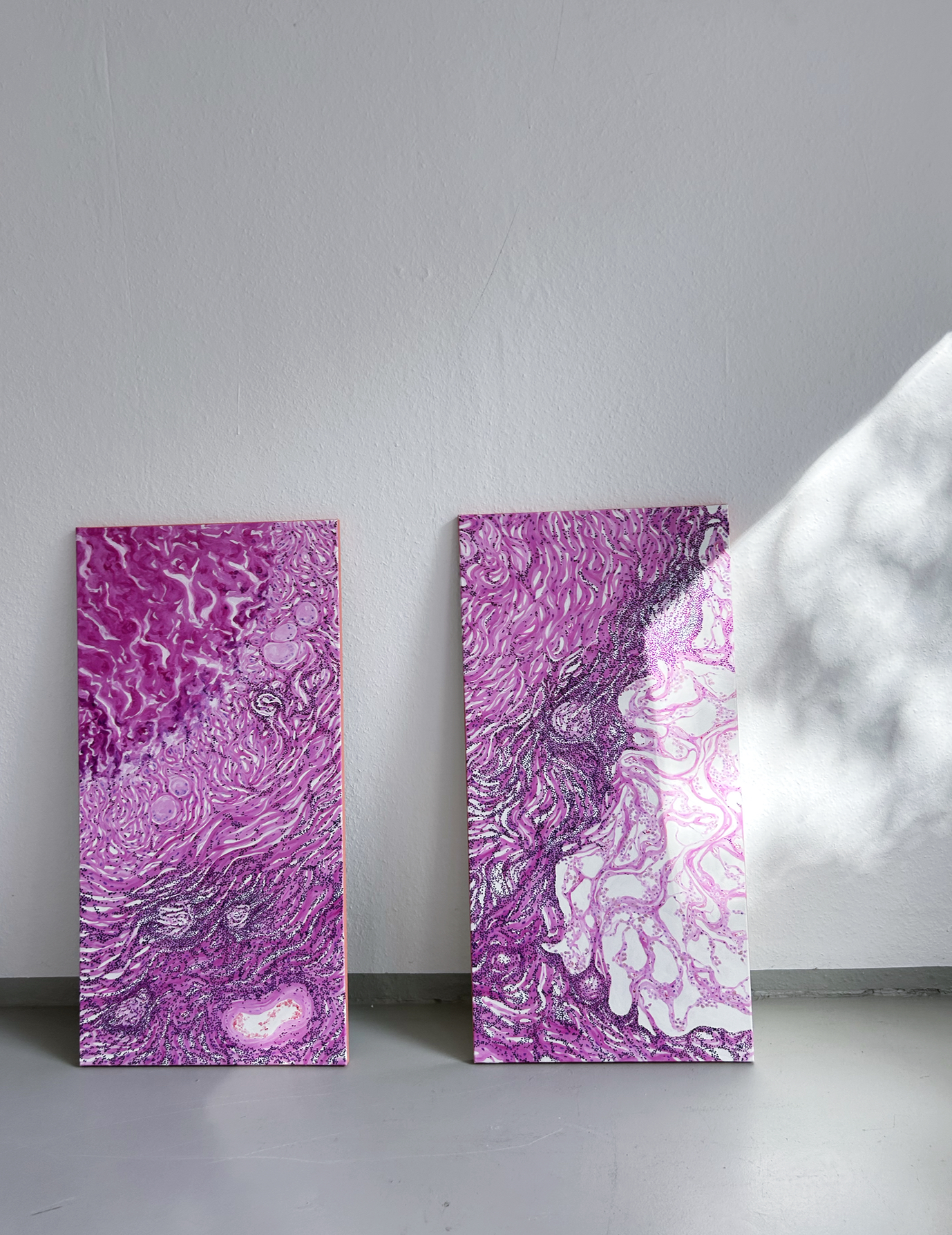
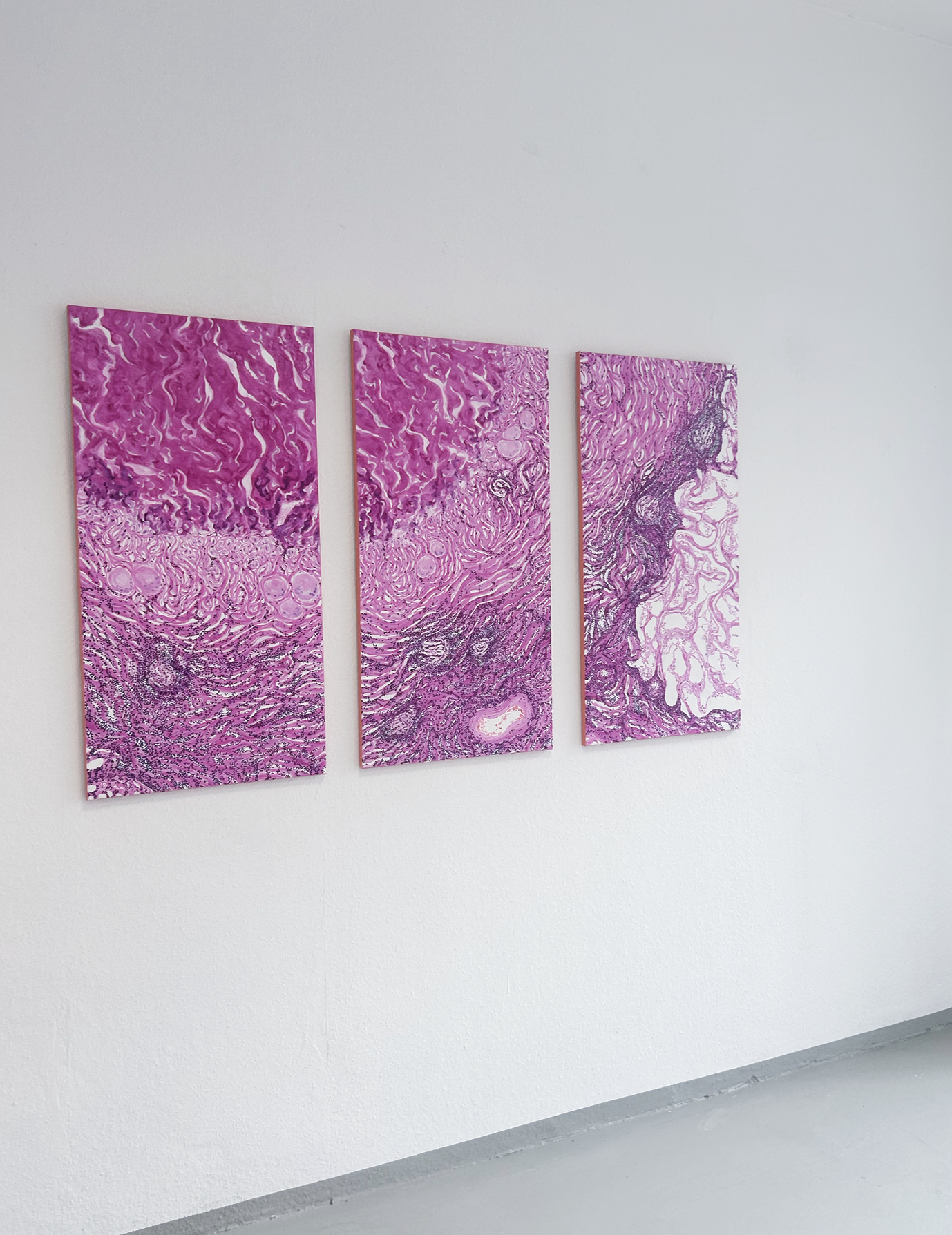
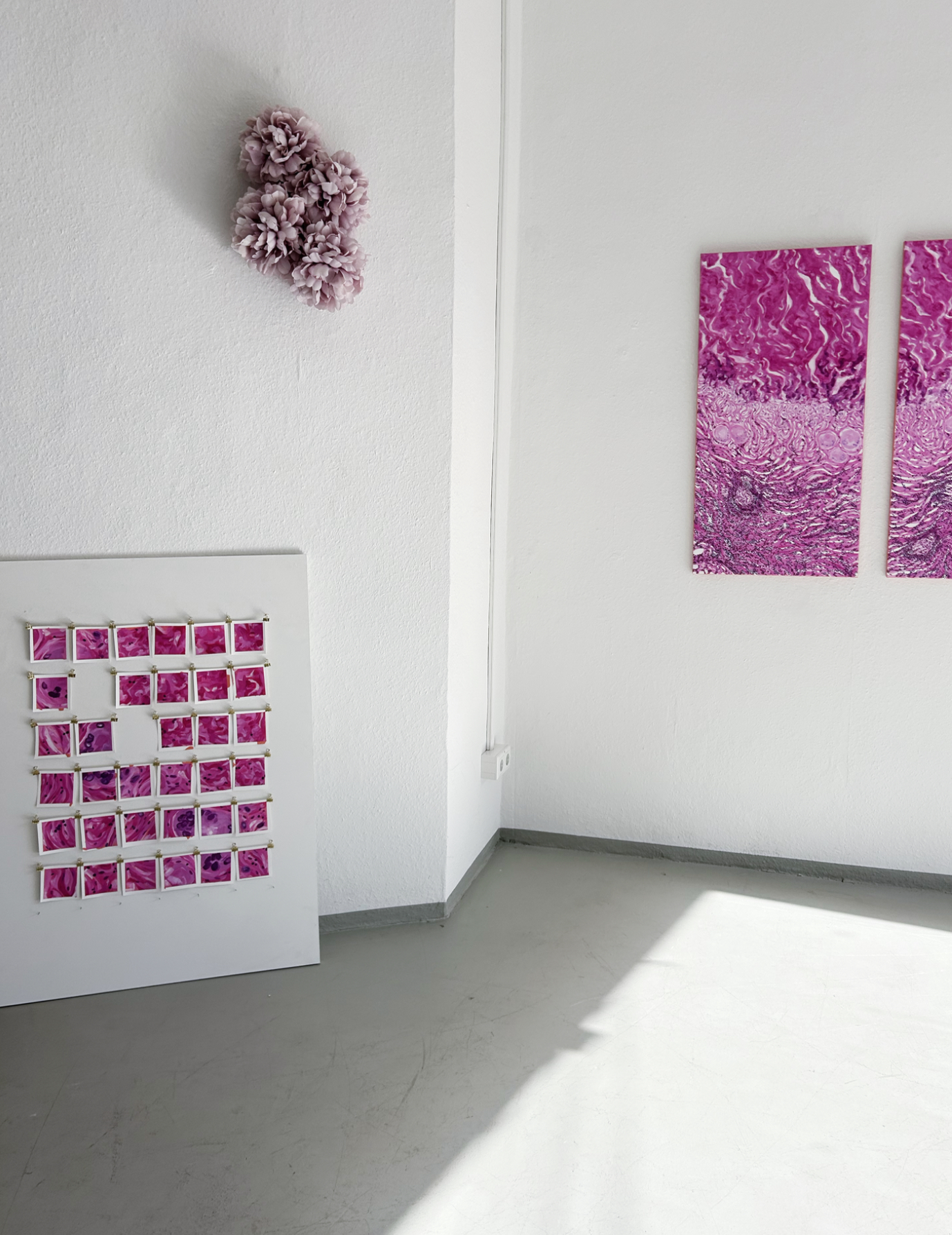
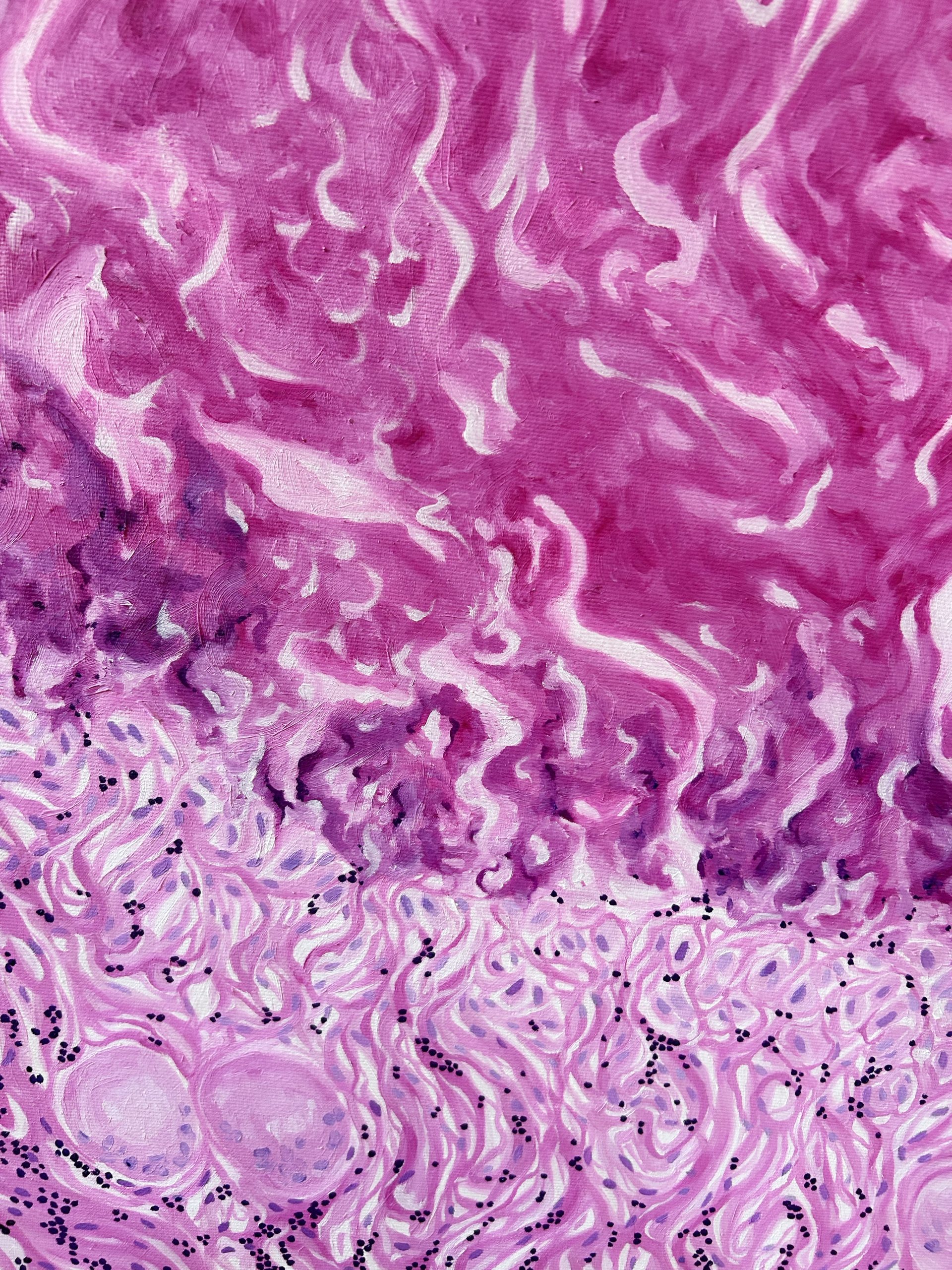
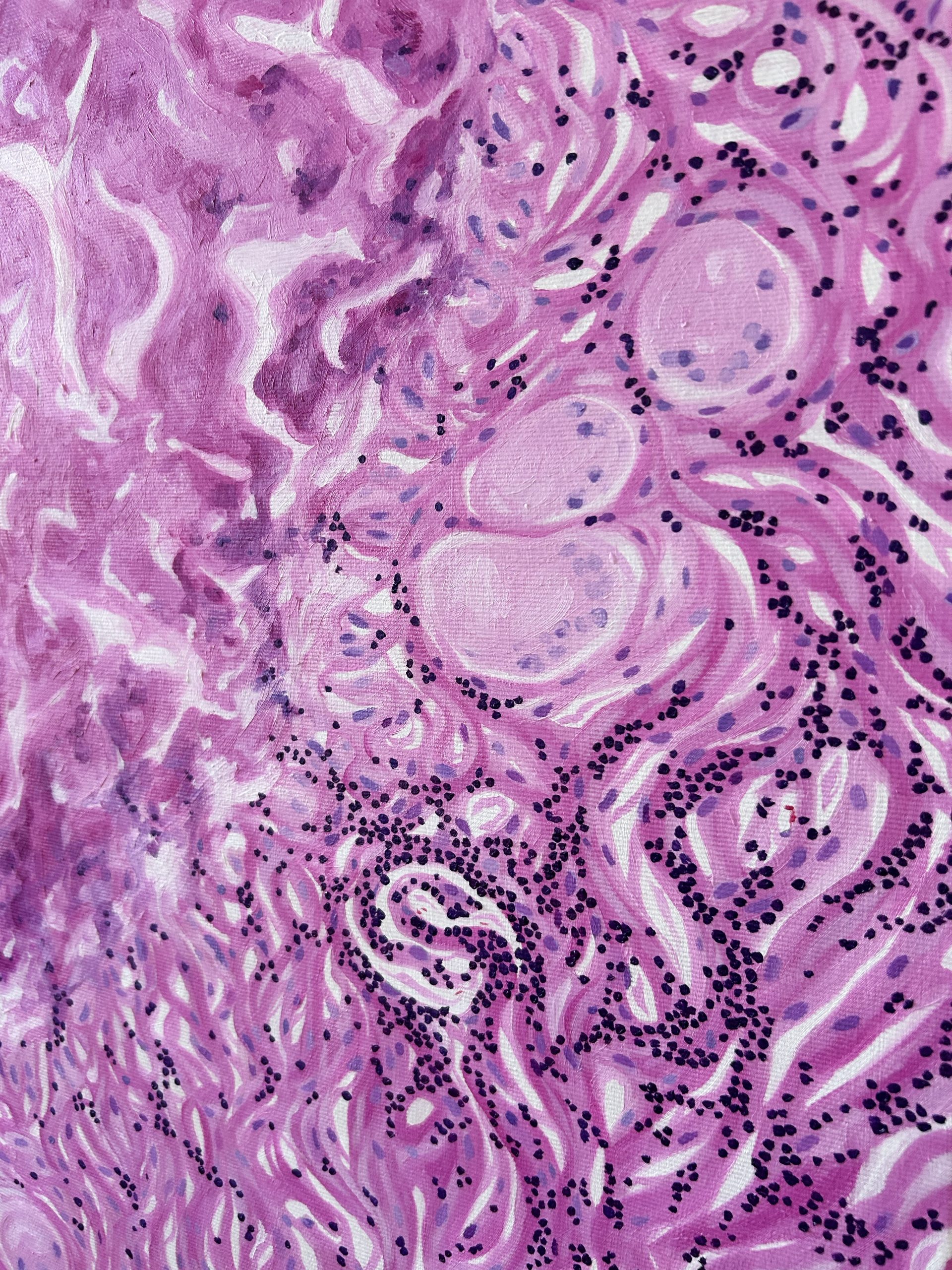
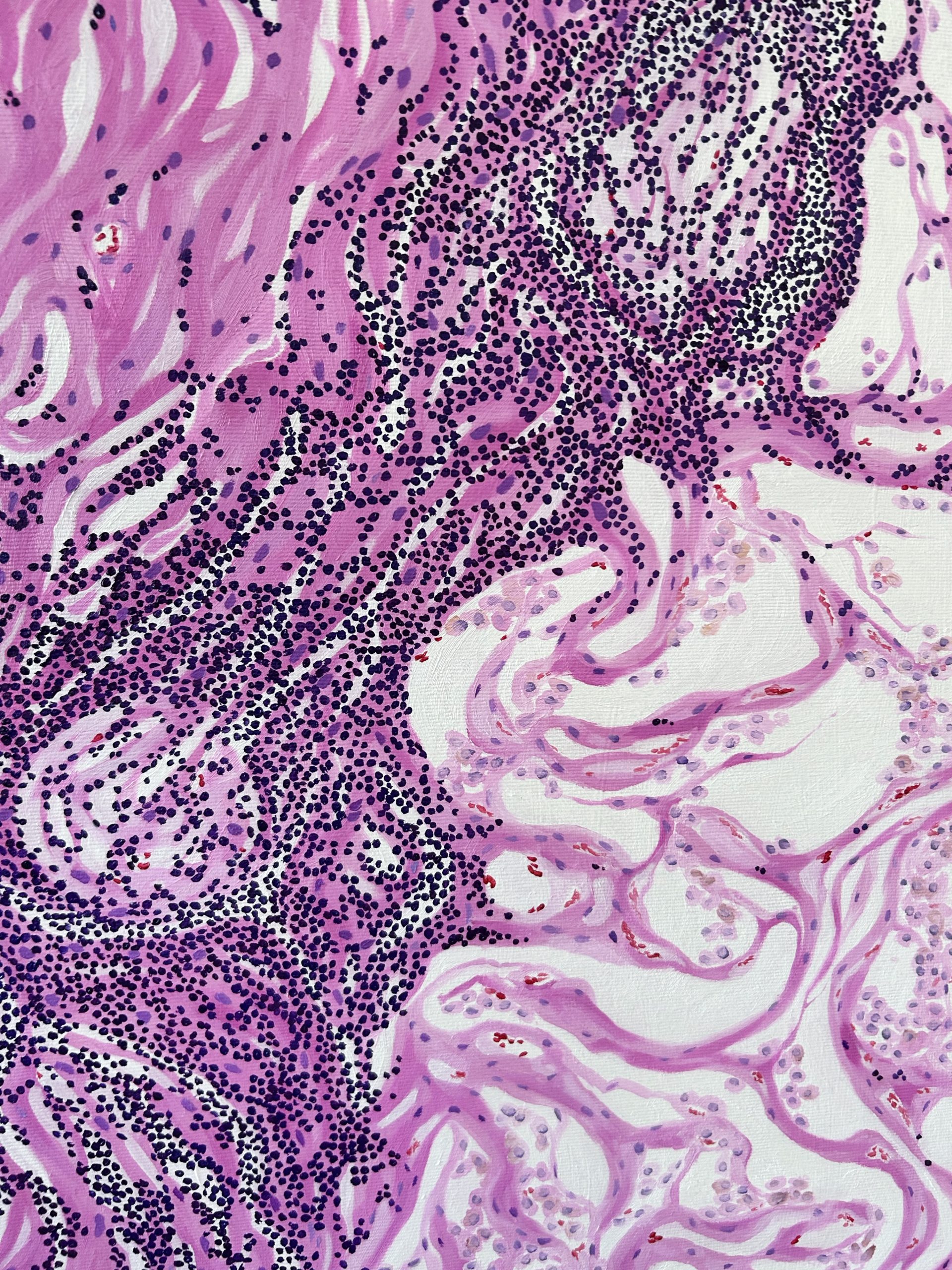
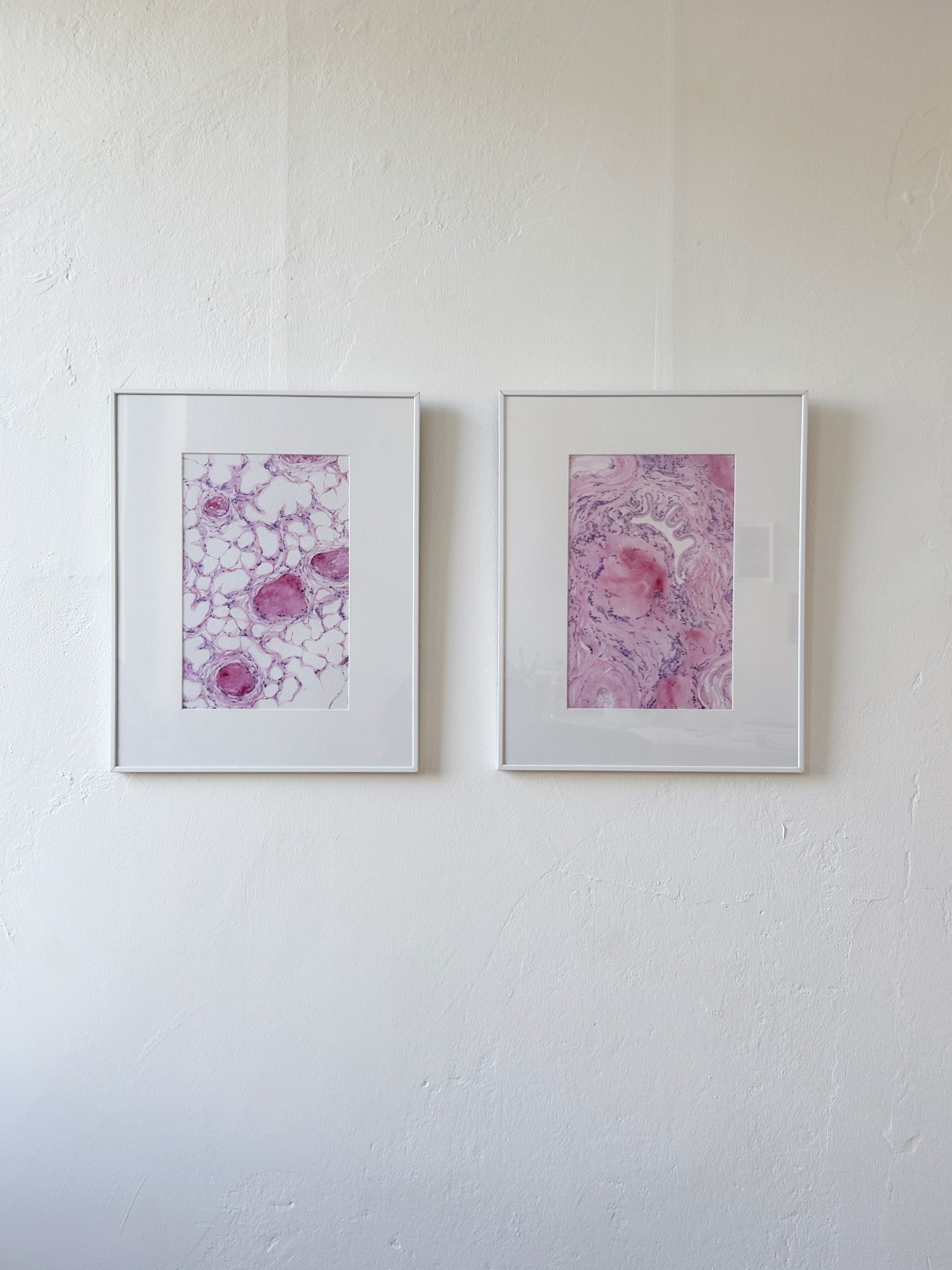
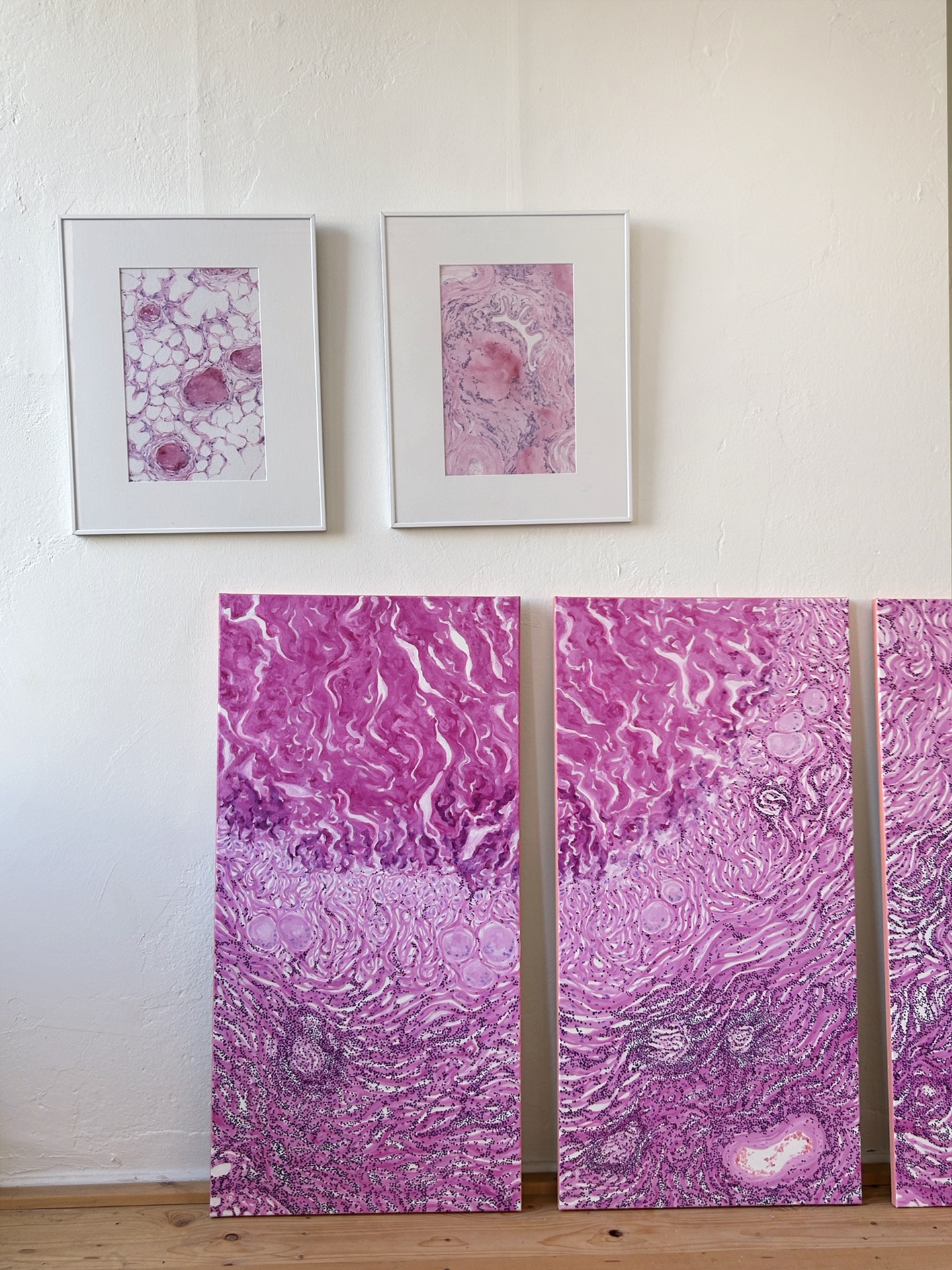
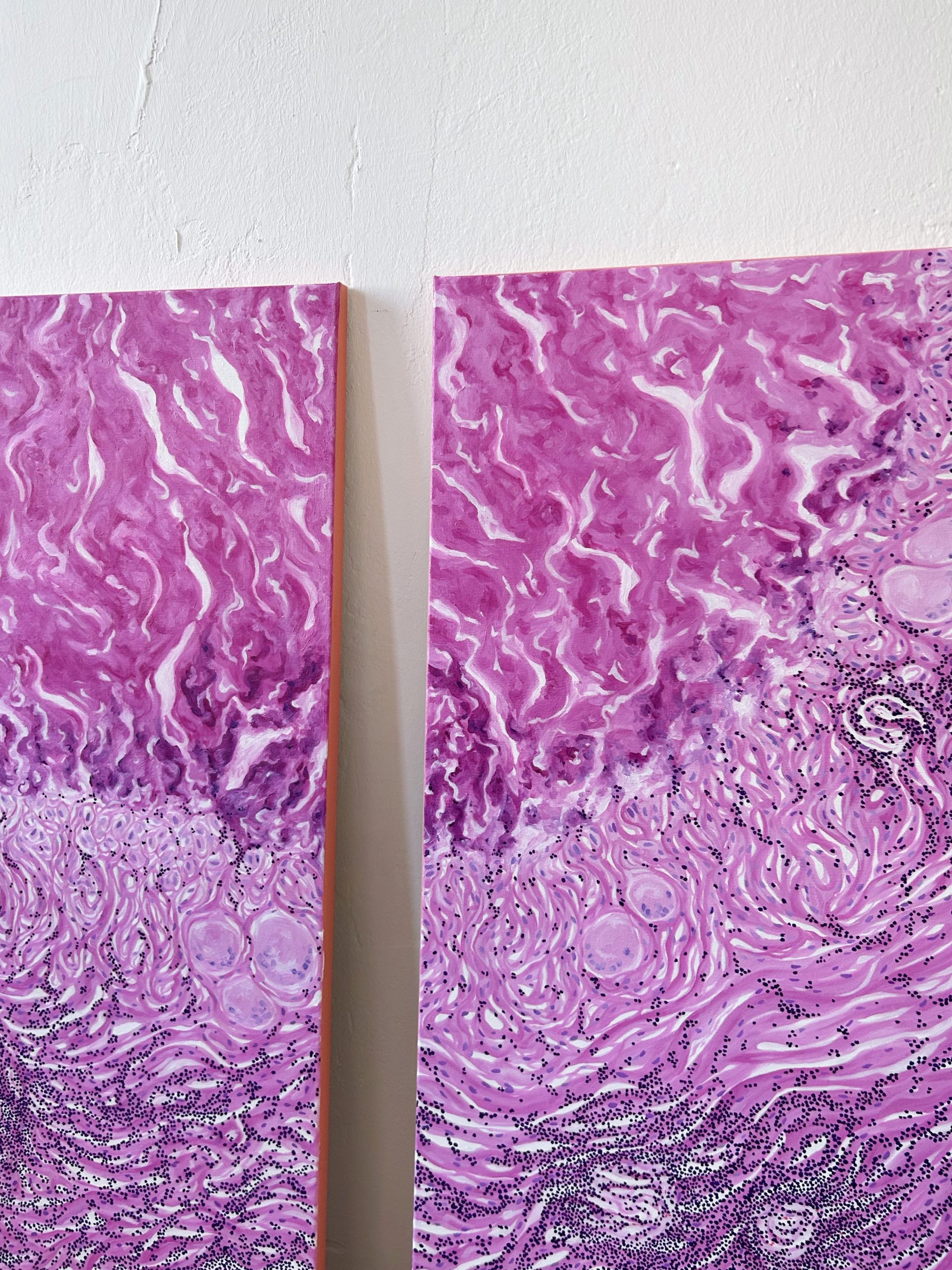
The triptych is a form deeply rooted in European art history, best known from medieval Christian religious art. It consists of three interconnected panels. With Consumption, I deliberately draw on this tradition: the three panels bring together the past, present, and future of a disease that has shaped Europe for centuries and continues to affect millions of people today. The three panels bring the disease out of hiding and directly into our field of vision, on a larger-than-life scale and impossible to overlook.